 31 Aug, 2026
People researching psychedelic-assisted therapy often wonder what actually happens during a treatment session.
Unlike recreational psychedelic use, clinical research typically follows a structured process designed to support participant safety and collect reliable data.
Although protocols vary, many research models involve three broad phases: preparation, the supervised session, and follow-up or integration.
Preparation occurs before the psychedelic intervention.
Participants may meet with therapists, researchers, physicians, or other members of the study team.
The purpose is to explain the study, establish expectations, discuss potential experiences, review safety procedures, and answer questions.
Researchers may also collect information about the participant's physical and psychological health.
This screening is particularly important because psychedelic interventions can produce significant changes in consciousness.
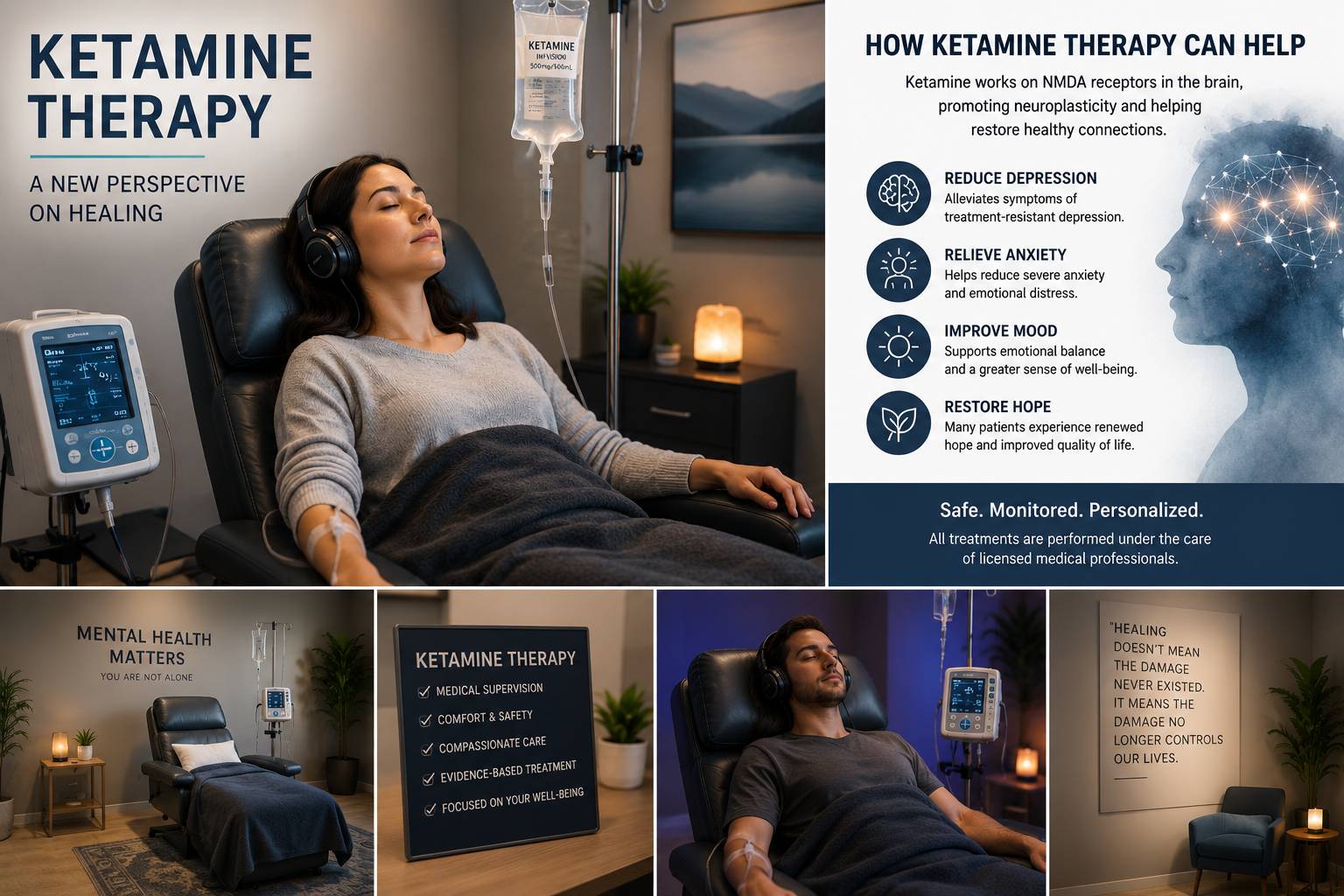
During the treatment session, participants receive the investigational intervention according to the study protocol.
The environment is controlled and designed to support participant safety.
Qualified staff may monitor participants throughout the session.
The exact procedures vary between clinical trials.
The FDA's guidance emphasizes that psychedelic experiences can involve intense perceptual disturbances and altered consciousness lasting several hours.
Because of these characteristics, researchers must consider appropriate safety monitoring and study procedures.
Psychedelic experiences can vary significantly.
Possible experiences may involve changes in perception, emotions, thoughts, sense of time, memories, or awareness.
Some experiences may feel positive or meaningful, while others may be challenging.
A clinical environment cannot guarantee that every experience will be comfortable.
Instead, the purpose of supervision is to provide appropriate support and respond to problems when they occur.
After the session, participants may take part in follow-up therapy or integration sessions.
Integration can involve discussing the experience, identifying emotional themes, exploring behavioral patterns, and considering how any insights relate to everyday life.
This stage can be important because the psychedelic experience itself is only one part of the therapeutic model.
Preparation can help participants understand what to expect and develop realistic expectations.
It also gives the treatment team an opportunity to identify potential safety concerns.
Research protocols may have specific eligibility criteria designed to reduce risk.
A psychedelic experience may generate strong emotions or unusual thoughts.
Without appropriate context, people could struggle to interpret those experiences.
Follow-up psychological support provides an opportunity to discuss what happened and determine how it relates to the individual's goals.
No.
Clinical trials can differ substantially.
Different studies may investigate different substances, psychological interventions, participant groups, session structures, and follow-up periods.
Some programs may also operate under specific state-level regulations rather than federal medical approval.
For example, Oregon's regulated psilocybin system requires preparation before an administration session at a licensed service center.
Anyone researching psychedelic therapy should be skeptical of programs that minimize risks.
A responsible provider should clearly explain screening, supervision, emergency procedures, and follow-up care.
The FDA's 2026 final guidance reflects the need for careful clinical investigation because psychedelic research has unique safety and methodological challenges.
Psychedelic-assisted therapy is generally more structured than simply taking a psychedelic substance.
Preparation, supervision, and integration can all play important roles in research models.
Understanding these stages can help people distinguish legitimate clinical research from informal or unregulated psychedelic experiences.
 31 Aug, 2026
31 Aug, 2026
31 Aug, 2026
 12 Aug, 2026
 10 Aug, 2026
Copyright 2021 Ultrapsychedelics. Designed By Ultrapsychedelics